Seasonal care
Fall shedding season: why your dog is blowing coat and how to keep up
Why double-coated dogs shed so much in fall, how long it lasts, the brushing routine and tools that keep up, why you shouldn't shave, and when shedding is a reason to call the vet.
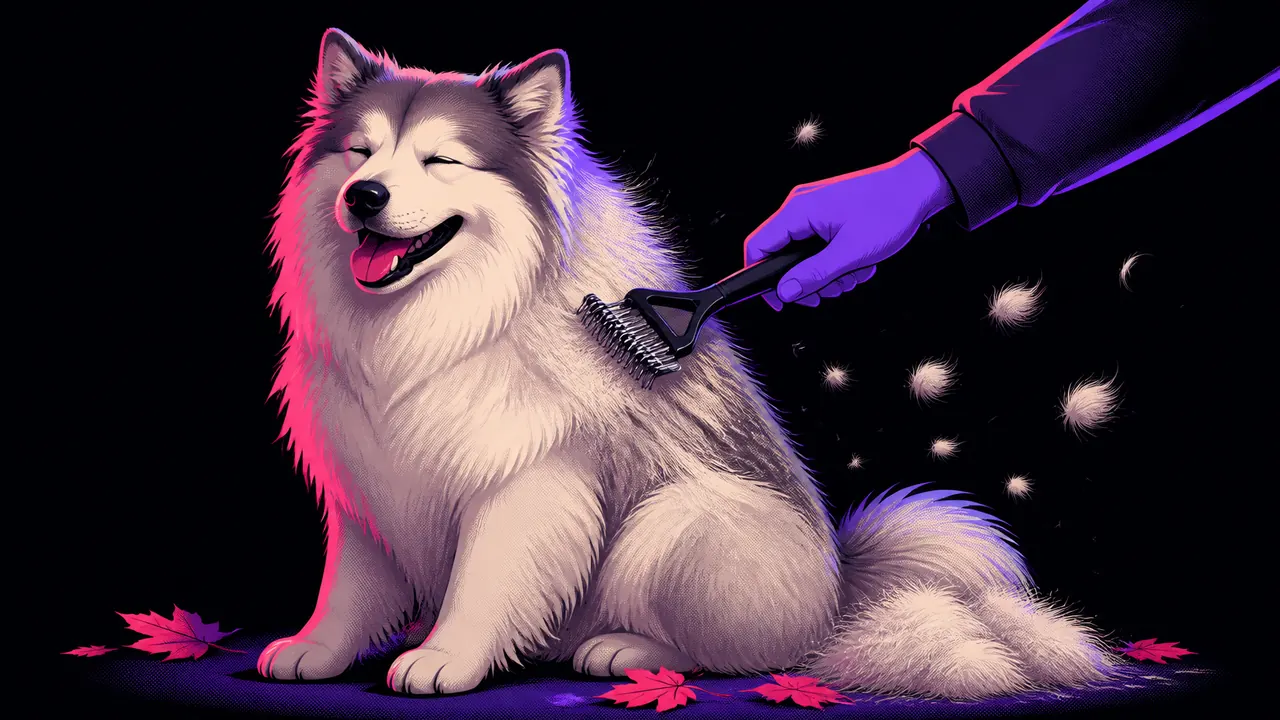
If tumbleweeds of fur are rolling across your floor right now, your dog isn't sick and you aren't imagining it. Fall is one of the two big shedding seasons for many dogs. Here's what's going on, how long it lasts and a simple routine that keeps the hair on the brush instead of the couch.
Why dogs shed more in fall
The American Kennel Club explains that for dogs that shed seasonally, the heaviest shedding usually happens in spring and fall. In spring they drop their heavy winter coat to stay cool. In fall they shed lighter hair to make room for thicker insulation.
It's most dramatic in double-coated breeds. These dogs have a harsh outer topcoat (sometimes called guard hairs) over a soft, dense undercoat. The topcoat repels dirt and water, and the undercoat traps warmth close to the body. The undercoat is the layer that sheds heavily during seasonal changes, which groomers call "blowing coat."
Think Siberian Huskies, German Shepherds, Pomeranians, Collies and Pembroke Welsh Corgis. Some thick double-coated dogs, like Golden Retrievers, also shed year-round.
How long it lasts
The AKC says shedding season usually lasts a few weeks to a couple of months, depending on breed, coat type, temperature and daylight. Where you live matters too. One professional groomer told the AKC that a double-coated dog in a cold place may shed its undercoat only in spring and fall, but in a warmer climate it could shed four times a year or all the time. Indoor dogs that live with steady artificial light and heat may shed lightly all year, with heavier bursts on top.
A brushing routine that keeps up
The AKC suggests that heavy shedders may need brushing several times a week, or even daily, during peak shedding. Lighter shedders still benefit from regular brushing to remove loose hair and spread natural skin oils.
A simple three-step session for a double coat:
- Rake the undercoat. An undercoat rake has one or two rows of metal pins that reach down to the loose undercoat. The AKC notes you should match the pin length to your dog's coat length.
- Slicker the dense spots. A slicker brush pulls dead hair from thick areas like the pants, ruff and tail. Brush in a few directions until you're collecting less hair.
- Finish with a steel comb. A comb finds the small tangles a brush skims over. If you hit a mat, work it out with the comb or a mat splitter before brushing further.
Work in the direction of hair growth, use gentle pressure (especially with bladed deshedding tools), and brush the hair, not the skin. Short sessions with treats beat one marathon that makes your dog dread the brush.
Short-coated dogs shed too, just with less drama. A rubber curry brush lifts loose hair from a short coat and works in the bath.
Dry or tangled coats are harder to brush. A light leave-in mist can help a comb glide through without tugging.
Bath day helps, if you do it right
A bath loosens a lot of undercoat at once, so many owners time one with a big brush-out. A groomer quoted by the AKC suggests a good de-shedding shampoo when your dog is dirty or smelly, then rinsing thoroughly ("rinse, rinse and when you think you're done, rinse again") and drying your dog afterward. Don't overdo it, though: bathing too often can strip natural oils and dry out the skin, which matters more as indoor heat kicks in. Our guides on how often to bathe your dog and winter dry skin go deeper.
Don't shave a double coat
It's tempting to buzz it all off. Grooming experts generally advise against shaving double-coated breeds. The AKC explains that the two layers grow back at different rates, so the undercoat can outpace the topcoat and leave a coat that no longer works properly. Shaving doesn't stop shedding, and it removes the undercoat that insulates your dog in winter. The exception is severe matting, where a groomer may need to cut the coat down so the skin can dry.
Keeping the house livable
Brushing outside or on an old sheet makes cleanup easier. Wash your dog's bedding often, and keep a pet hair remover near the couch for the hair that escapes.
When shedding means a vet visit
Seasonal shedding is normal and fairly even across the body. The AKC says excessive or unusual hair loss can point to problems such as hypothyroidism, congenital coat disorders or allergies. Call your vet if you see:
- Bald patches or thinning fur
- Red, flaky, irritated or scabby skin
- Constant scratching, licking or chewing
- Shedding that doesn't ease after a couple of months
For every brush, rake and comb we've compared, see the best dog grooming tools. For bath-day picks, see the best dog shampoos and wipes.
Sources: American Kennel Club, "Dog Shedding: When Dogs Shed Most and How to Manage It"; American Kennel Club, "Double-Coated Dog Breeds: Care, Grooming, and Shedding"; American Kennel Club, "How Should You Groom a Double-Coated Dog? What to Know"; American Kennel Club, "Dog Brushes: How to Choose the Right Dog Brush for Your Pet."