Thanksgiving table scraps: what's safe for dogs and cats, and what isn't
Plain turkey in small amounts is usually fine. Skin, bones, gravy, onions, raisins, raw dough and xylitol are not. A vet-sourced guide for November 26.
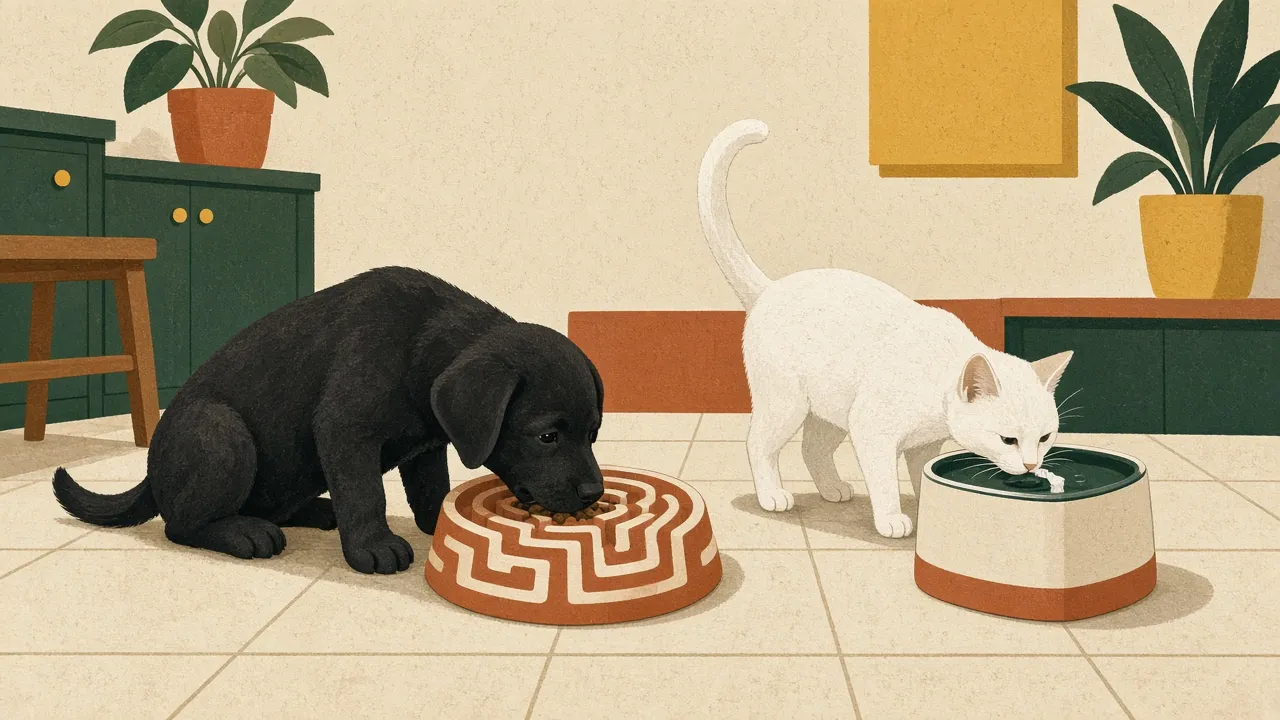
Thanksgiving (Thursday, November 26 this year) is one of the busiest food days of the year, and dogs know it. Guests sneak them scraps, plates sit on coffee tables and the turkey carcass goes into the trash. Here's what veterinary groups (the AVMA, AAHA and the FDA) say is fine, what isn't, and how to stop a counter-surfer.
What's generally OK, in small amounts
- Plain, boneless, skinless turkey. The AVMA says this is generally safe for pets in small portions, meaning no skin, gravy or seasoning.
- Plain pumpkin. Small pieces of pumpkin can be a healthy snack, but not pumpkin pie, which can contain ingredients that are toxic to pets.
That's about it. If you want your pet to join in, the AVMA's suggestion is a treat made for pets.
What to keep off the floor
| Food | Why it's a problem |
|---|---|
| Turkey skin, fat, gravy, buttery sides | Rich, fatty foods can trigger pancreatitis, a painful and potentially life-threatening inflammation. The AVMA notes that even a small amount can cause it. |
| Cooked bones | Cooked bones turn brittle and can splinter, leading to choking, blockages or a punctured intestine (AAHA). |
| Onions, garlic (and stuffing made with them) | These Allium vegetables damage red blood cells and can cause anemia. |
| Grapes and raisins | Can cause kidney failure in dogs. |
| Raw yeast dough | Expands in the stomach, causing painful gas and bloating, and produces alcohol as it rises. |
| Chocolate desserts | Theobromine is toxic to dogs and cats; the darker the chocolate, the more dangerous. |
| Sugar-free desserts (xylitol) | Can make blood sugar crash and cause liver failure in dogs. |
| Macadamia nuts, alcohol | Both are dangerous to dogs even in small amounts. |
Signs of pancreatitis to watch for
The FDA lists the most common signs of pancreatitis in dogs as vomiting, stomach pain, restlessness, shaking, diarrhea, fever and weakness. In cats the signs are subtler, such as eating less and losing weight. If you see these after a holiday meal, call your vet.
Five habits that prevent most problems
- Make the kitchen a pet-free zone while you cook. A baby gate, a closed door or a crate works (AAHA).
- Brief your guests, especially kids: no feeding the dog, however hard it begs.
- Clear low tables and abandoned plates. A coffee table at nose height is a buffet.
- Bag the carcass and bones tightly and put them in a closed bin outside or behind a closed door. The FDA warns that bones can lodge in the esophagus, stomach or windpipe.
- Give your dog a job. Something to work on keeps it busy and away from the table.
If your pet eats something it shouldn't
Call your veterinarian or an emergency clinic straight away. You can also call ASPCA Animal Poison Control at (888) 426-4435 or the Pet Poison Helpline at (855) 764-7661 (a fee may apply).
Sources: AVMA "Thanksgiving pet safety"; AAHA "Thanksgiving foods pets should avoid"; FDA "Keep your dogs and cats safe from holiday hazards."