Setting up your home for a stiff or senior dog: floors, beds, bowls and stairs
Slippery floors, high beds and floor-level bowls make arthritis harder. Simple home changes from a veterinary rehab vet that help older dogs move.
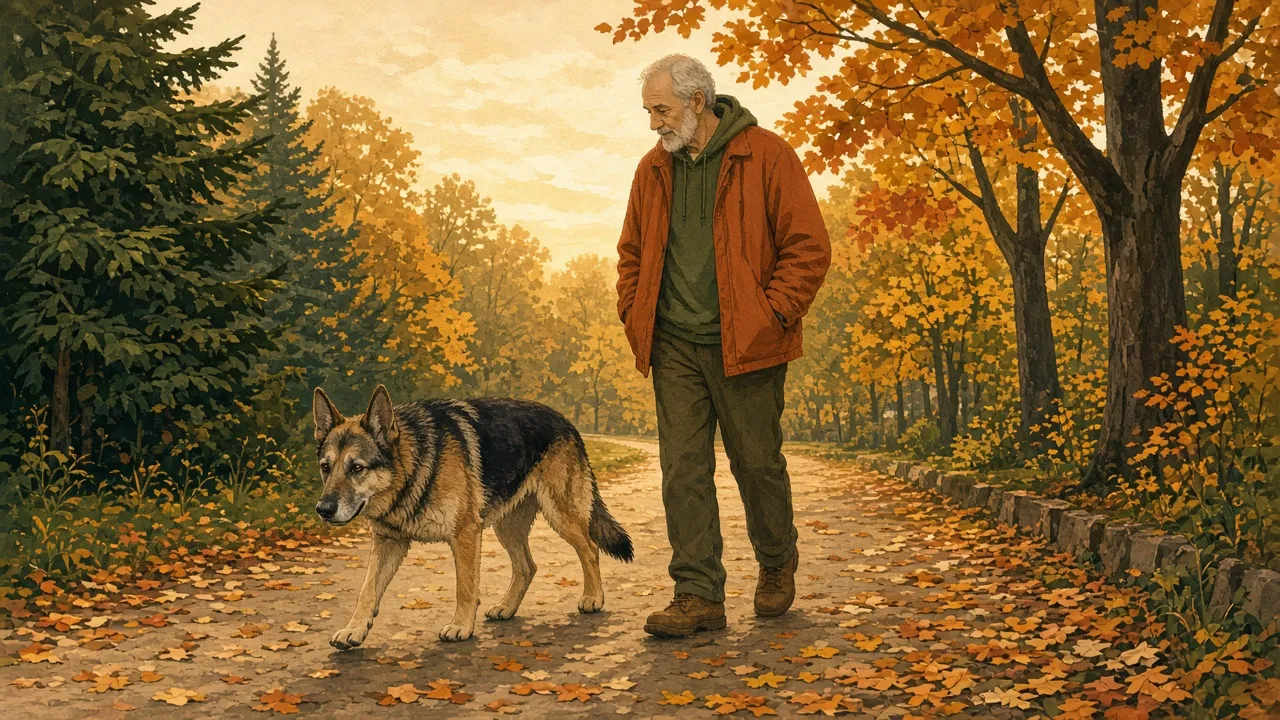
Dogs are good at hiding pain. A dog with arthritis often doesn't limp dramatically; they just start sleeping more and moving less. In a VCA Animal Hospitals guide, veterinary rehabilitation practitioner Dr. Krista Williams explains how small changes at home can make a big difference to a mobility-challenged dog's quality of life.
Floors: add grip
Hardwood, laminate and tile are hard for stiff dogs to walk on. Dogs that have slipped before move cautiously, with short steps and a hunched back, which makes their muscles sore and makes them less active. The fix:
- Lay non-slip rugs and runners where your dog walks and rests most, with no curled edges to trip on.
- Put a non-slip rug where your dog jumps on or off furniture.
- Keep nails short (most dogs need a trim at least once a month) and trim the fur between the toes. Long nails on a slippery floor are, in Dr. Williams' words, like asking a grandparent to walk on an ice rink in high heels.
Stairs and cars
- Add carpet treads or grip tape to stairs, or block them with a baby gate if your vet advises it.
- A support harness helps you steady your dog on stairs.
- Use a sturdy, non-slip ramp for outdoor steps and the car. Jumping out of a car can injure any dog.
Beds: low, supportive, washable
Hard, cool floors are not ideal for a dog who struggles to get up. Look for an orthopedic bed that's easy to step onto (no high sides to climb over), doesn't trap heat, and has a machine-washable cover, because accidents become more common.
Bowls at a comfortable height
Bending to floor level can be hard. Raise food and water bowls to somewhere between elbow and shoulder height. Dogs that find drinking awkward drink less, which raises the risk of dehydration and urinary problems.
Look at the room from their height
Get down to your dog's eye level. Clear clutter and tight spaces that force sudden turns, and pad sharp corners (pool noodles work). Taking a slow-motion video of your dog walking around the house can show which surfaces trouble them.
Pair it with a vet plan
Home changes work best alongside pain management, weight control and exercise your vet recommends. Ask whether a joint supplement makes sense for your dog.
Compare beds in Best Dog Beds and supplements in Best Dog Health Supplements.
Source: Krista Williams, BSc, DVM, CCRP, "Creating a Comfortable Home for Your Mobility Compromised Dog," VCA Animal Hospitals.