Brushing your dog's teeth: a realistic two-week plan
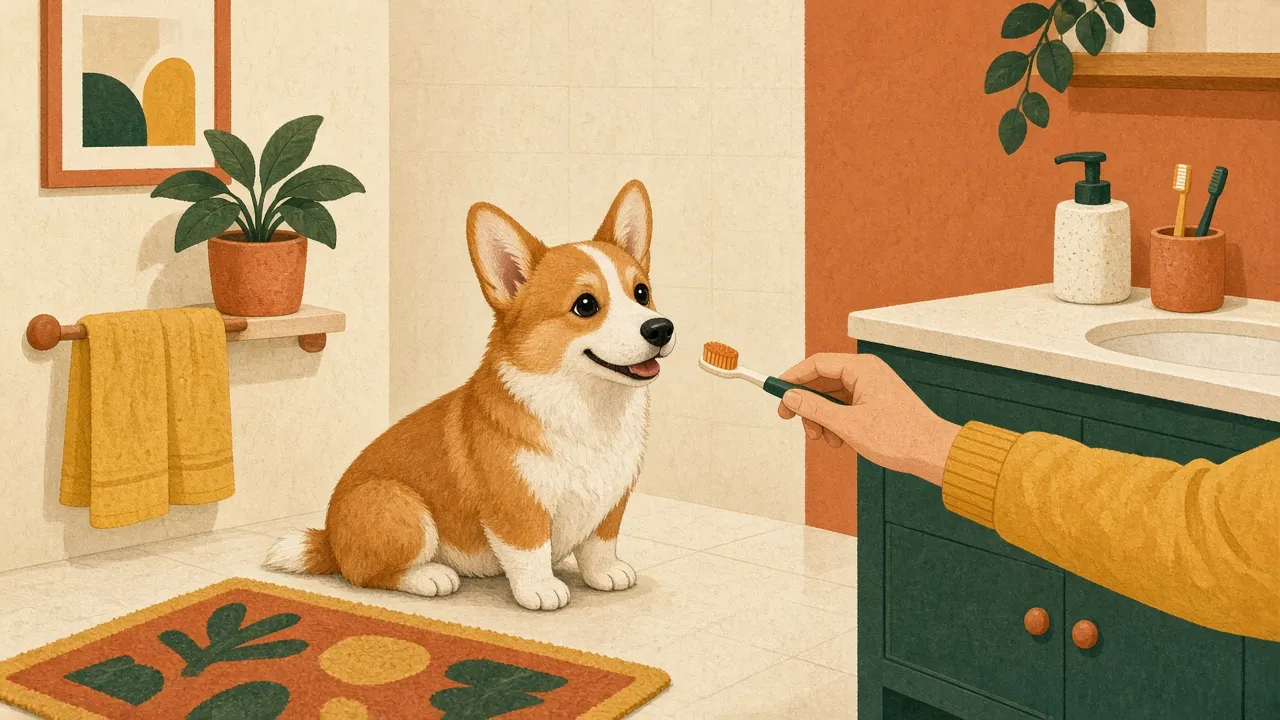
Daily brushing is the gold standard for your dog's oral health — and most dogs can learn to accept it. Here's a gentle, step-by-step plan.
PawRanked is reader-supported: we may earn a commission from qualifying purchases through links on this page. Partner brands are labeled.
Periodontal disease is one of the most common problems vets find in adult dogs, and it rarely announces itself. By the time you notice bad breath, red gums or a dog chewing on one side, plaque has usually been building for a long time.
The single most effective thing you can do at home is brush. Not chews, not water additives — brushing. The good news: almost every dog can learn to tolerate it if you go slowly.
What you need
- A pet toothpaste. Never human toothpaste, which isn't meant to be swallowed and may contain xylitol, which is dangerous for dogs. Enzymatic pet pastes come in flavours dogs like.
- A brush that fits. A soft dog toothbrush or a finger brush to start.
- Treats and patience.
The two-week plan
Days 1–3: Taste test. Let your dog lick a little toothpaste off your finger. Praise, treat, done. You're building a positive association.
Days 4–6: Touch the mouth. Gently lift a lip and rub a pasted finger along the outside of the front teeth for a few seconds. Stop before your dog wants you to.
Days 7–9: Add the brush. Swap the finger for a finger brush or toothbrush. Focus on the outer surfaces of the canines and front teeth, using small circles at the gumline.
Days 10–14: Work back. Slip the brush further back to reach the big cheek teeth, where plaque builds up most. Aim for about 30 seconds per side. You don't need to brush the inner surfaces much — the tongue does a lot of that work.
If your dog gets upset, back up a step. Short, happy sessions beat long, stressful ones.
How often?
Daily is ideal because plaque starts to harden into tartar within days. If daily isn't realistic, several times a week still helps. Once tartar has formed, brushing won't remove it — that needs a professional cleaning by your vet.
Where chews fit in
Dental chews are a helpful extra, and some dogs who won't tolerate a brush yet will happily accept one. Look for the Veterinary Oral Health Council (VOHC) seal, which means the product has met set standards for reducing plaque or tartar — and check the current list at vohc.org, as product approvals change. Count chew calories in your dog's daily intake, choose the right size, and supervise.
Signs to see your vet
Persistent bad breath, red or bleeding gums, loose or broken teeth, drooling, pawing at the mouth or reluctance to eat hard food all deserve a vet check. Many dogs also need periodic professional cleanings under anaesthesia, which allow the vet to clean below the gumline and take X-rays.
See our dental care rankings for the toothpastes and kits we rate highest.